

Wise Leader Blog

What If It Were Safe to Talk about Money?
Social scientist Dr. Elizabeth Dunn advises to think about giving as a source of pleasure. Dr. Dunn’s research reveals that when people give to an organization AND when they see the outcome of their giving, it brings them joy. Guest writer Pete Reuss invites congregations and organizations to illustrate the impact of donors’ giving. How can an organization’s mission inspire people to give?

Is It Safe to Attend to Our Own Health?
Reflective Pastoral Supervision (RPS) provides clergy with space to step back and reflect with curiosity on their work to deepen awareness of how they are experiencing and responding to their work. RPS strengthens both insight and integrity over time, and supports ministry leaders in fostering proactivity, healthy boundaries, and meaningful connection.


The Power of the Pause
Healthy leaders pause, even (and maybe especially) when there is no time. LeaderWise often encounters competent leaders who found themselves out of their depth, sinking fast, yet pretending all is well. This is when there is high potential for burnout, compassion fatigue, boundary violations, destructive conflict. Pausing to assess what is happening and how to address issues is critical in these moments. Here are two tools to use in a moment of critical pause.
More Than a Job
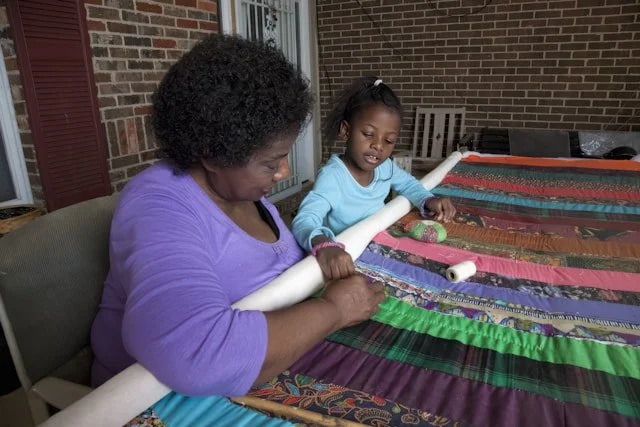
Our deepest calling grows from noticing our gifts, limitations, experiences and longings. Sunny Hansen reminds us that people are more than résumés: They are stories, hopes, disappointments, values, and beliefs. If spiritual dimensions are ignored, someone may find a job but miss the life they hope to build. A helpful question might be, “What kind of life is waiting to be lived through me?”
Photo by Carol Highsmith's America on Unsplash
Getting the Full Picture
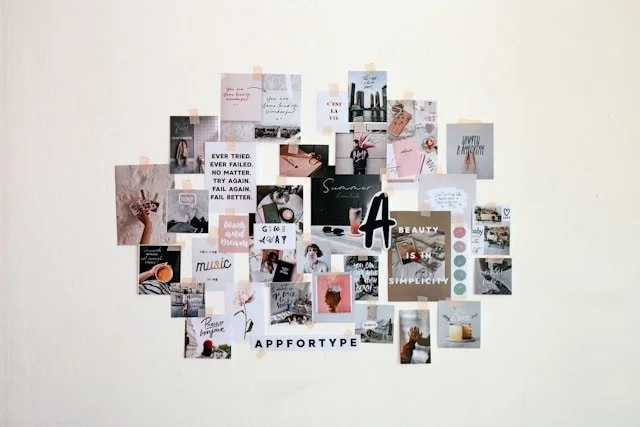
How do our life experiences inform our work and vice versa? Dr. Sunny Hansen’s Integrative Life Planning framework challenges us to see workers (and ourselves) like a collage of differing worldviews, identities, cultural contexts, abilities, knowledge sources, options available, and barriers experienced. Work toward getting a full picture through prompts and an exercise shared here.How do our life experiences inform our work and vice versa? Dr. Sunny Hansen’s Integrative Life Planning framework challenges us to see workers (and ourselves) like a collage of differing worldviews, identities, cultural contexts, abilities, knowledge sources, options available, and barriers experienced. Work toward getting the full picture through prompts and an exercise shared in this article from emilie boggis. [Photo by Andy Vult on Unsplash]

When Work Comes Home: Finding Balance in Shared Callings
For people in vocational ministry, the line between work and life can be almost invisible. Reminding us that work is only one dimension of a fulfilling life, Sunny Hansen’s Integrative Life Planning framework invites us to intentionally weave values, relationships, and vocational identities together. Integration is about ensuring that our work supports the lives we want to live.

Weaving our lives into a meaningful whole
When the plan is for work roles to align with core values while doing work that needs doing in the world, we can encounter dissonance and barriers. Sunny Hansen reminds us that wholeness is about complementarity, process, and interdependence rather than achievement and completion. Here, Kelly Jordan, PhD, LP, poses three reflection questions to explore the nature of balance and wholeness. [Photo by Aditya Wardhana on Unsplash]

Happy In(ter)dependence Day!
On the heels of Independence Day in the United States, LeaderWise shares a conversation that LeaderWise consultants John Lee and Okokon Udo recorded a few years ago on the topic of independence and liberation. "If we sacrifice our interdependence and connectedness" Okokon reflects, "we will inevitably sacrifice the whole sense of independence that we talk about or claim so boldly around the world." - Happy In(ter)dependence Day!


Ministry Is Risky Business
Today’s article, Ministry is Risky Business, features therapist Mark Sundby, MDiv, PhD, LP, focusing on Resilience, specifically the first of the eleven tasks that Dr. Tom Skovholt, a prominent researcher in the helping professions, identifies as necessary to maintain our wellbeing. Skovholt’s first task is losing “one’s innocence about the need to assertively develop resiliency and self-care skills.”

What Are You Thinking About?
LeaderWise leadership development consultant Cindy Halvorson encourages us to notice what our minds are up to, what stories we are telling ourselves, what impact it is having on our lives and leadership. How could 1:1 accompaniment help us notice our thoughts?

How Are You Doing? Really?
In this season of celebrations and rites of passage—recitals, graduations, weddings and funerals—today’s article features Sarah Parker, who is both a minister and a therapist. She invites us to use the Life Wheel as a tool for discerning where we might need to set some boundaries for our own well-being.

The Research Is In: Take Your Vacation
It can seem that there’s never a good time to take a break from a demanding, service-oriented job when responsibilities are high, the pace is unrelenting, scarcity is rising, and crises are real. However, not taking a break carries benefits—and risks—we don’t often consider. Vacation is good for your body, mind, and soul. Take care of yourself so you can return refreshed and rested to do the work you’ve been called to do in the world.

Holding Space: Trauma-Informed Practices for Difficult Times
Easing overwhelming distress often begins with reducing demands and increasing resources. Where possible, we can release nonessential commitments, protect our time and energy, and clarify what is—and is not—ours to carry. Even when circumstances are beyond our control, we can still strengthen our capacity to withstand stress, often in small but meaningful ways. Start with the 5 trauma-informed practices outlined in this article.
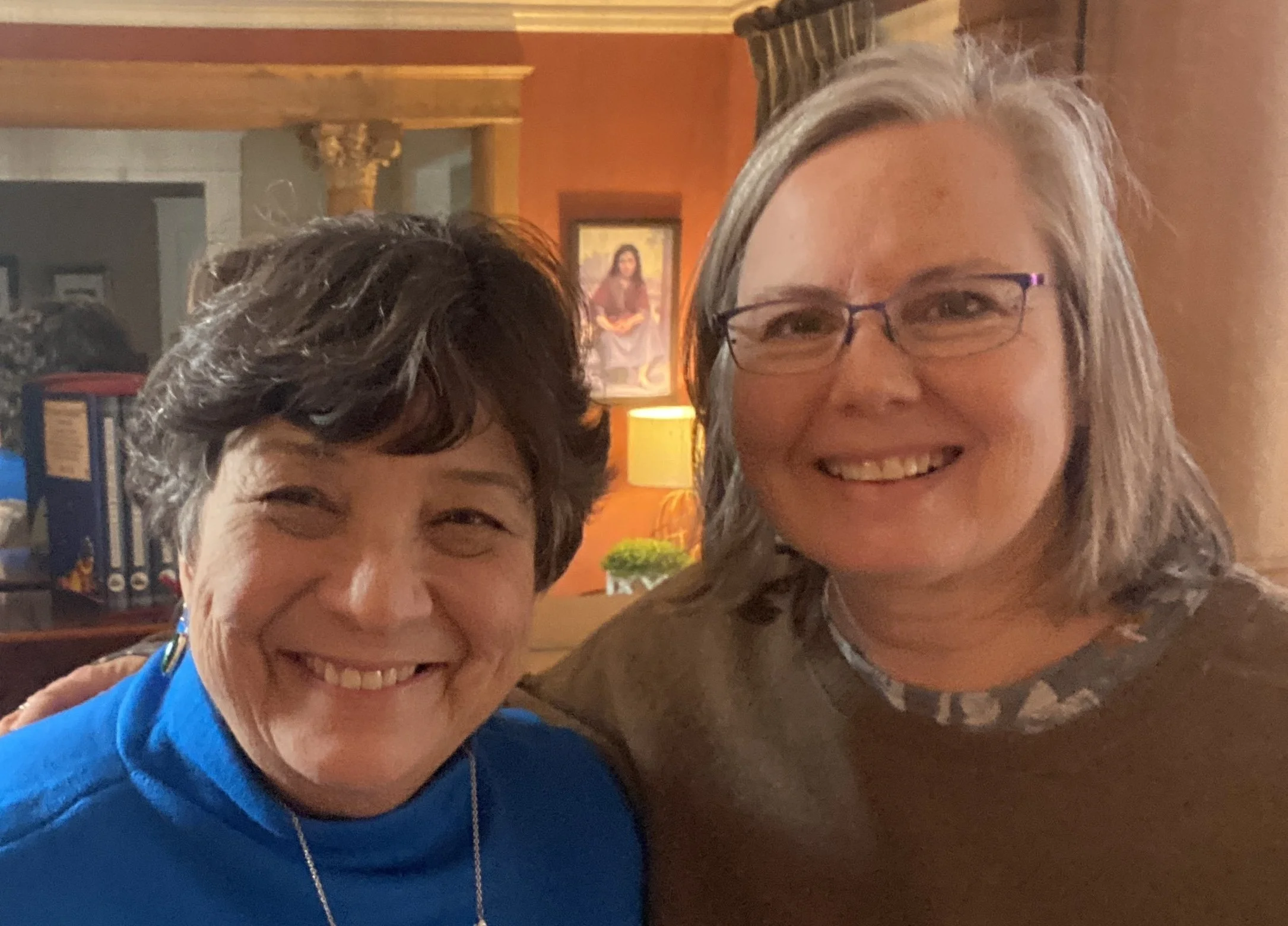
The Shape of Leadership, A LeaderWise Story
What started with the seed of the question, "What would a deep dive in leadership look like for women clergy who possessed the potential to lead large congregations?" sprouted into a gender-divided program focused on adaptive leadership and evolved into a gender-inclusive program fostering confidence in leadership. The Shape of Leadership program graduates have gone on to serve as Bishops, lead ministers of large membership congregations, preaching prize-winners, founders of entrepreneurial alternative ministries, adaptive change-makers in congregations of all sizes, and more.

Attending to the Health of Ministry: Reflective Pastoral Supervision
Reflective Pastoral Supervision (RPS) provides clergy with space to step back and reflect with curiosity on their work to deepen awareness of how they are experiencing and responding to their work. RPS strengthens both insight and integrity over time, and supports ministry leaders in fostering proactivity, healthy boundaries, and meaningful connection. [Photo by Emma Simpson on Unsplash]

From Loneliness to Mattering in Ministry
Ministry leaders are as lonely as the national average but experience loneliness differently. Research points to two elements of “mattering” at work: feeling valued and adding value. Colleagues can help one another’s sense of mattering through brief exchanges based on Zach Mercurio’s “NAN” (Notice, Affirm, Need) formula. Each of us can create a culture of mattering to help reduce loneliness and support one another in ministry.

When You Are Expected to Comply
Self-differentiation is about understanding and taking full responsibility for your own thoughts, feelings, and behaviors. Leading from a place of self-differentiation means following the guidance of your internal values, thoughts, and feelings—as opposed to outside pressure or values—and being fully yourself while staying connected and caring for others. [image by Philip Oroni on Unsplash]

LeaderWise Newsletter
Sign up to receive updates on our upcoming leadership development workshops, programs, and more.