
The Communal Potential of Power
By Kristina Lizardy-Hajbi, MDiv, PhD, LeaderWise Guest Writer.
Power. It is a challenging concept, even for the most adept leaders.
All around us are examples of the negative impacts of power—power that hoards, wields without thought or care, oppresses and harms. In other words, power has largely been pathologized as an inherent vice, an unwanted force in our world and within relationships.
But is power truly bad? Of course not. Like many other dynamics with which leaders reckon, power has the potential for good, evil, and everything in between and beyond.
Many definitions and typologies exist for what power is and, more importantly, what power does. The most common distinctions lie in power’s operational modes as power over, to, for, with, and so on. I suspect the majority of us are most familiar with power over as Max Weber defined it, an ability to impose one’s will on another, usually through economic, social, or political means. In this definition, power over is inextricably linked with power to, a type of codified power also known as authority. As leaders and followers, we experience power most immediately as interpersonal and occurring within specific settings. In this realm, power can take on different forms such as contextual, spiritual, sociopolitical, and psychological—as suggested by Arnold Mindell—each with varying considerations for leaders.
In addition, philosopher Michel Foucault recognized that power exists outside of individual actors in ways that continually shape persons and societies—good, bad, or otherwise. He called this disciplinary power, enacted not by a series of whoms but through a variety of whats such as prevailing knowledges, norms of behavior, and common gestures. This way of power, according to Foucault, served to produce (form, shape, create) people and societies indirectly through normalization. In this regard, power moves through media, healthcare directives and procedures, educational and carceral systems, and the like beyond overt laws and codes.
With these conceptions in mind—and many others—it is safe to say that power simply is. Power is all-pervasive. You could even declare that power itself is all-powerful. So how might we as leaders engage this omnipresent, omnipotent force at work both consciously and unconsciously in our relationships, organizations, systems, and within ourselves?
If we have learned anything from leaders over the years (political, corporate, and yes, religious)—whose behaviors seemed to define the very nature of power as a force that is addictive, must be hoarded, and wields harm—it is that we must do the opposite. At any and every possible moment, leaders must work toward the sharing or redistribution of power. I believe that three central activities are necessary for redistribution:
Reveal power. Disciplinary power, as well as other forms of power that escape our daily awareness, must first be revealed. Leaders can begin this work simply by raising questions about power relations or broader forces at play in particular situations. This kind of activity is risky because revelations themselves tend to shake up the status quo.
Bend power. Once questions about power are raised and what was once hidden is in plain view for critique, the work of bending power dynamics begins. Bending work is not coercive or forceful, though it may feel that way to those who have benefitted from the existing power arrangement. Instead, bending involves the important skills of invitation, suggestion, renegotiation, reconfiguration, and reimagination. Sometimes, bending means breaking present strongholds, or at least disrupting them. Bending is relational and systemic, interpersonal and structural all at once. Rev. Dr. Martin Luther King, Jr., once said, “The arc of the moral universe is long, but it bends toward justice.” Whether one believes King’s words or not, I am convinced that the moral universe requires our assistance to bend even further toward shared and equitable power designs.
Reweave power. Bending for its own sake is not the primary task of leaders who exist within webs of relationality and complex systems. Reweaving constitutes the long path of tending to power arrangements because sharing and redistribution are not one-time activities. New or recurring invisible powers always resurface within ourselves, our communities, and broader structures. Creating new ways of being and doing takes time and care, not just by those who have the positional roles to do the caring (i.e., leaders) but by all within this newly configured arrangement.
Through these actions, leaders are able to reveal the communal potential of power. Because power is both omnipresent and omnipotent, it is not in short supply. It just takes a bit of intentionality to coax power from the shadows so that its delights may be shared by many. Community organizers, having known power’s ways for years, practice power mapping, relational connecting, and coalition building to reveal, bend, and reweave power toward structural change.
Zohran Mamdani, New York City’s new mayor, is relying upon these activities to develop a model of co-governance “that links mass mobilization to executive power,” according to the Manhattan Institute. This was the platform upon which he ran his campaign, and he was able to successfully mobilize voters. Mamdani’s aim in decentralizing local government is to distribute decision-making power to residents, and he has already begun this work in the areas of public education, housing, and transportation, among others. An organizer by training, Mamdani is revealing and bending—and will hopefully reweave—power alongside others in the years to come.
Here are some questions for consideration as you reflect on the communal possibilities of power:
Where does risk reside for you when you think about sharing power? Is it in the revealing, the bending, the reweaving, or all of the above?
What are the disciplinary powers that shape your current leadership role? How do these powers produce your organization or community in ways that generate life or flourishing? In ways that generate challenge or harm?
What is one act of revealing that you might engage toward power sharing or redistribution? One act of bending?
It is important to remember that power takes many forms, and it also functions in myriad ways. With this in mind, may you discover new possibilities for collective wellbeing by tapping into power’s endless bounty.
Join Kristina Lizardy-Hajbi, MDiv, PhD, April 30 for a free LeaderWise Learning Hour to further explore the topic of power.
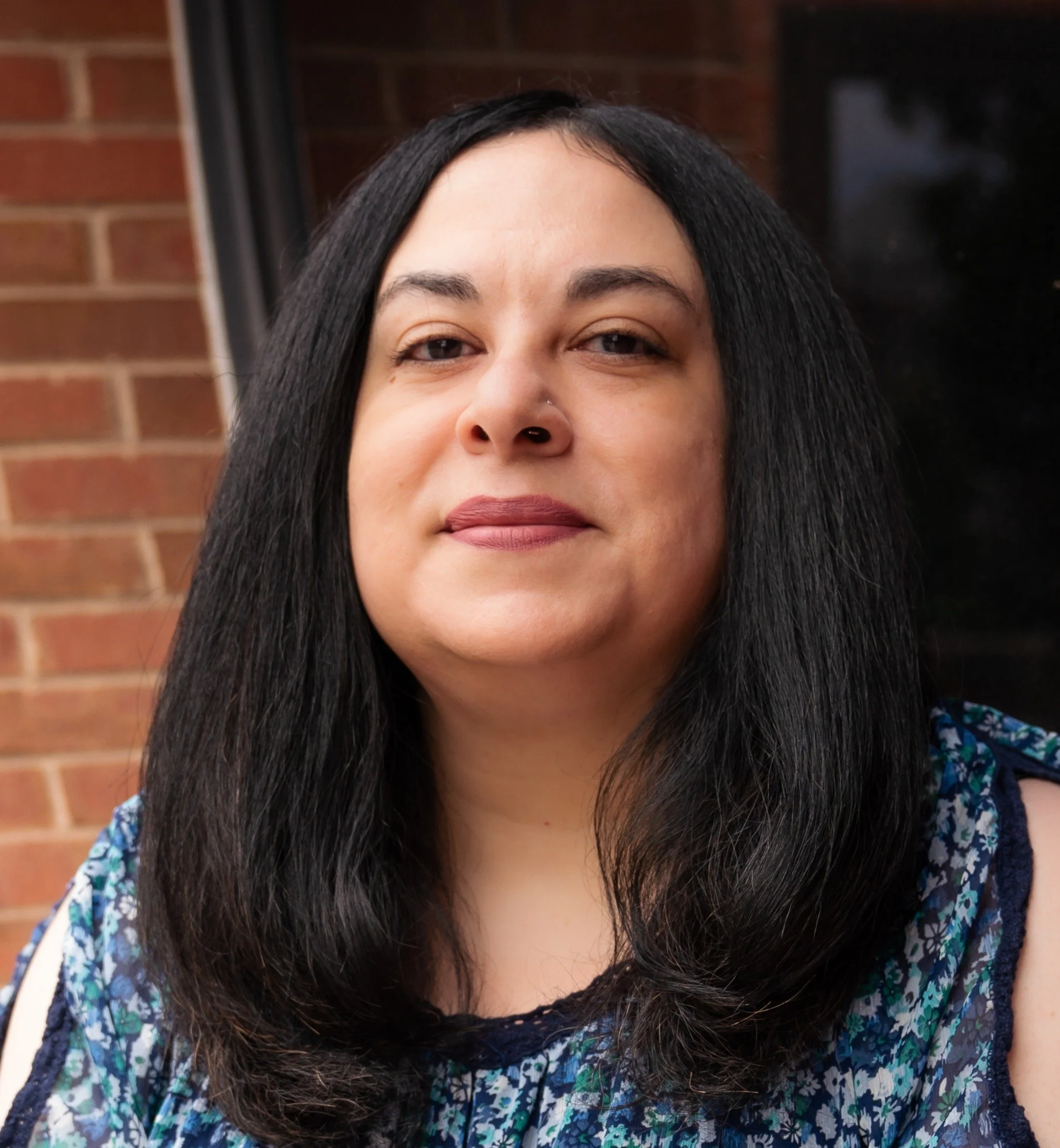
Rev. Kristina Lizardy-Hajbi, PhD
Kristina is an associate professor of leadership and formation and director of the Vocational Formation Office at Iliff School of Theology in Denver, Colorado. A Latina scholar-practitioner, Kristina’s current research interests lie at the intersection of religious leadership, community formation, and decolonial praxis, exploring questions about why and how liberative change unfolds. She is the author of Unraveling Religious Leadership: Power, Authority, and Decoloniality (Fortress, 2024) and co-editor of Explore: Vocational Discovery in Ministry (Rowman & Littlefield, 2022), along with numerous articles and reports. An ordained minister in the United Church of Christ, Kristina’s ministry has included denominational leadership and research, intercultural and interreligious student affairs in undergraduate higher education, hospital chaplaincy, and Christian education and faith formation.
